What exactly does post-construction commercial cleaning include?


A commercial build in San Jose requires immediate, technical intervention before tenant occupancy. The presence of abrasive silica dust, volatile organic compounds, and construction debris renders newly built spaces hazardous and unpresentable. You need professional post-construction commercial cleaning services to transition a site from an active construction zone to a white-glove ready environment. We bring specialized equipment and certified technicians to execute this critical turnover phase. Welcome to our comprehensive guide, brought to you by Reliable Facility Service, your partner in high-level facility maintenance. Demand for certified Indoor Air Quality turnovers in the Western United States will grow 6.5 percent annually through 2026. You must understand the exact protocols required to meet these new standards.
The Three Phases of Post-Construction Cleaning
Professional contractors execute cleaning in a strict three-phase protocol. The International Sanitary Supply Association mandates this structure. Attempting to compress these steps causes failed inspections and delayed occupancy. We outline these steps to answer common inquiries found in our FAQ documentation.
Phase One Rough Clean
The rough clean begins immediately after heavy construction ends. Technicians remove bulk debris, leftover building materials, and large hazards. Teams scrape excess mortar from masonry joints and remove factory stickers from commercial glass. Technicians deploy sweeping compounds to weigh down heavy dust particles before executing the initial push-broom sweep. This phase involves heavy lifting and bulk trash removal to clear the floor plan for the detailed work.
Phase Two Final Clean
The final clean is the deep technical phase. Crews execute detailed HVAC duct masking and vent detailing to protect internal building systems. Technicians clean cabinets inside and out, scrub baseboards, and address all horizontal surfaces. Currently, 40 percent of top-tier commercial contracts mandate multi-stage HEPA filtration. These vacuums capture 99.97 percent of particulates down to 0.3 microns. We operate these systems continuously during this phase to strip the ambient air of suspended particulate matter.
Phase Three Touch Up Clean
Dust continues to settle days after the final clean. The touch-up clean resolves this issue. Technicians perform a final punch list review, wiping down horizontal surfaces, polishing smudges on glass, and ensuring a zero-dust tolerance environment. Technicians use specialized LED inspection lights to reveal microscopic dust layers on dark surfaces. This phase guarantees a pristine presentation for the incoming tenant.
Phase | Primary Objective | Key Equipment Used |
Rough Clean | Bulk debris removal | Push brooms, rolling dumpsters, heavy-duty scrapers |
Final Clean | Fine particulate removal | HEPA vacuums, microfiber damp mops, specialized solvents |
Touch Up | Settled dust remediation | Microfiber detailing cloths, LED inspection lights, glass polish |
Essential Scope of Work for Commercial Turnovers
General contractors require sub-contractors who understand complex building systems. Post-construction cleaning involves advanced chemical applications and technical floor care. Explore Our Services to view the full range of specialized solutions we offer. Advanced floor care requires recognizing specific chemical off-gassing rates of new adhesives before stripping newly laid resilient flooring.
HVAC Duct Masking and Indoor Air Quality
Circulating construction dust through a newly installed HVAC system destroys the mechanical components and ruins indoor air quality. Technicians must apply physical masking to all return and supply vents before turning on the handler units. You must follow the EPA guidelines for indoor air quality during renovation to protect ductwork and prevent long-term respiratory hazards for future occupants. Failure to mask these systems forces sharp gypsum dust into the blower motor bearings, causing premature mechanical failure.
VCT Strip and Wax Floor Care
High-traffic commercial zones often feature Vinyl Composition Tile. This material requires immediate protection. Technicians apply specialized alkaline stripping agents and use 175 RPM rotary floor machines equipped with black abrasive pads to remove the factory finish. We measure concrete moisture parts per million before applying the new finish. Optimal application requires a substrate reading below 3.0 pounds per 1,000 square feet. Technicians then apply a pH-neutralizing rinse. Once dry, we apply three to five coats of industrial-grade acrylic polymer finish. Each coat requires a strict 45-minute cure time at 70 degrees Fahrenheit.
Why Silicon Valley Contractors Require Specialized Standards
San Jose commercial real estate demands precision. A Saratoga boutique commercial build requires different protocols than a Silver Creek facility management project. Project managers across our Service Areas demand compliance with strict local environmental regulations. Silicon Valley tenant improvements feature highly sensitive server room preparations requiring strict anti-static cleaning protocols.
Title 24 Energy Compliance in San Jose
California Title 24 mandates advanced automated lighting and climate control sensors in all new commercial builds. Passive Infrared and ultrasonic occupancy sensors require clean lenses to function correctly. Gypsum dust accumulation on a Passive Infrared lens creates false vacancy readings, forcing the lighting and HVAC systems into improper cycles. Technicians must clean these sensitive photometrics without using abrasive chemicals or excess moisture. Damaging these components results in immediate code compliance failure during final city inspections.
OSHA Regulations and Silica Dust Remediation
Drywall sanding and masonry cutting release respirable crystalline silica dust. This material poses severe health and legal liability. Employers must follow OSHA standards for silica dust exposure in construction during all cleanup operations. These regulations mandate wet sweeping methods and the exclusive use of HEPA-filtered negative air machines to prevent airborne transmission. Technicians wear P100 particulate respirators while operating high-CFM air scrubbers to guarantee complete regulatory compliance.
Preventing Damage to High End Finishes
Amateur cleaners destroy expensive materials. Los Gatos corporate office expansions feature high-end architectural glass and anodized aluminum. Dry-wiping commercial drywall dust off these surfaces causes catastrophic damage. Drywall dust contains gypsum and silica, ranking between 2 and 7 on the Mohs hardness scale. Dragging this dust across architectural glass creates permanent micro-scratches requiring thousands of dollars in replacement costs.
The HEPA Negative Air Pull Technique
Master technicians refuse to touch dust-covered glass with a dry cloth. We deploy a localized HEPA negative air pull system pulling 500 Cubic Feet per Minute. The machine generates a directional atmospheric vacuum near the surface. Technicians use a two-bucket micro-misting technique to introduce a specialized surfactant. The negative air pulls the abrasive particulate away from the pane. The microfiber cloth then safely cleans the glass without dragging debris across the fragile surface.
Commercial Window Mullion Detailing
Construction processes leave adhesive residue, rendering plaster, and paint overspray on window mullions. Technicians must clean these anodized aluminum frames using non-acidic, pH-neutral solvents. Abrasive scrubbing pads strip the factory anodized coating. We use specialized non-scratch white pads and plastic razor blades to remove construction debris while preserving the structural finish.
Post-Construction Cleaning Costs and Expectations
General contractors need precise cost models for their requests for proposals. Pricing depends on square footage, architectural complexity, and final site conditions. High-tier finishes like exposed ductwork demand a zero-dust tolerance approach. This requirement alters pricing models compared to standard acoustic drop ceilings. If you need a customized site evaluation, Contact our team directly to schedule a walk-through.
Estimating Willow Glen Retail Space Renovations
A retail space manager in Willow Glen needs a detailed breakdown of the required scope. We evaluate the volume of airborne particulate, the type of newly installed flooring, and the total linear footage of interior glass. A site walk allows us to calculate the exact labor hours and chemical resources required to execute the three-phase turnover protocol.
Fugitive Dust Control and Local Compliance
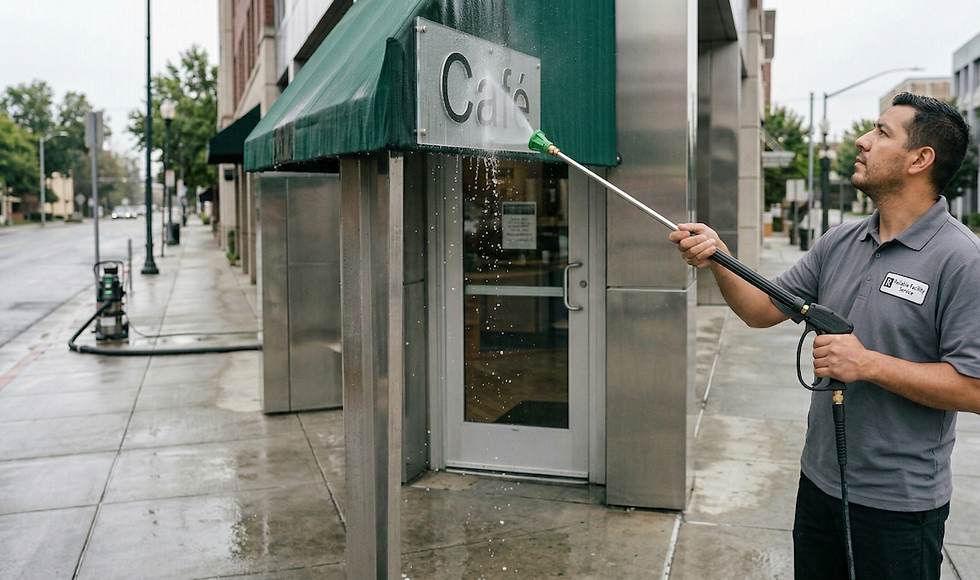
Exterior cleanup carries equal importance. Contractors face heavy fines for violating air district regulations. The Bay Area Air Quality Management District dust control rules strictly regulate the removal and disposal of fine construction particulates. Our teams use high-heat power washing equipment to clean exterior flatwork while maintaining full compliance with runoff and dust mitigation laws. We target grease, heavy equipment tire marks, and embedded concrete dust using water heated to 210 degrees Fahrenheit at 3500 PSI, paired with active vacuum water recovery systems to prevent storm drain contamination.
Conclusion: Contact Reliable Facility Service For Your No Obligation Quote.
Post-construction cleanup requires technical expertise, specialized equipment, and strict adherence to safety protocols. Abrasive silica dust, sensitive electronic sensors, and high-end architectural finishes demand a calculated approach. Attempting to bypass the three-phase standard compromises indoor air quality and risks expensive property damage. You must hire trained professionals to turn over a commercial space safely and legally. Reach out to our team today to schedule your comprehensive site evaluation and secure your final inspection approval.
Frequently Asked Questions
What is the difference between a rough clean and a final clean?
A rough clean removes bulk debris, stickers, and large hazards immediately after heavy construction concludes. A final clean deploys specialized HEPA vacuums and damp wiping techniques to eliminate fine dust from all surfaces. The rough clean prepares the space, while the final clean sanitizes the environment for occupants.
How do you remove fine drywall dust from commercial walls?
Technicians refuse to dry-wipe drywall dust. Professional teams deploy negative air machines to capture airborne particles. We then use damp microfiber flat mops to trap fine particulate on the walls without scratching the new paint or spreading the dust.
Does post-construction cleaning include exterior window washing?
Reputable companies include exterior window detailing in their comprehensive scope of work. Technicians clean commercial window mullions and exterior glass to remove paint overspray, rendering plaster, and construction dirt. This process restores the exterior visual presentation of the building.
How does high heat power washing help a new commercial build?
Construction vehicles leave heavy tire marks and oil spills on new concrete. High-heat power washing removes these stains from sidewalks and loading docks. The 210-degree water breaks down petroleum bonds and washes away embedded concrete dust.
What is the average cost for commercial post-construction cleaning in California?
Costs vary based on the specific phases required, square footage, and specialized needs like cleanroom preparation or VCT stripping. High-end finishes require more labor hours to detail properly. You must request an on-site evaluation to receive an accurate, customized square footage rate.